Marketing Miner’s July 10 roundup added two features that make the company’s SEO stack look more like an AEO operating system: users could connect the platform directly to an AI assistant, and Marketing Miner said it had launched a new AI Visibility & SEO capability. The monthly digest, titled Key SEO and AI News for July 2026 + Digger Plan Giveaway, said its goal was to help marketers “dominate both traditional SERPs and AI assistant recommendations,” a sign that the company now treats classic search and assistant-driven discovery as one workflow.
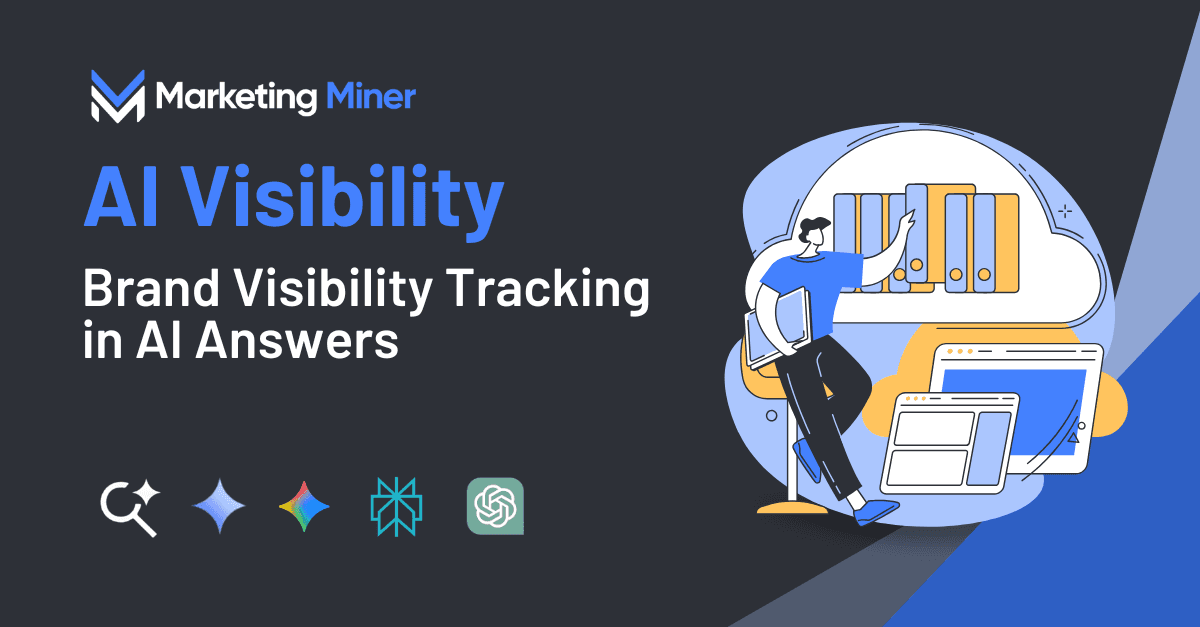
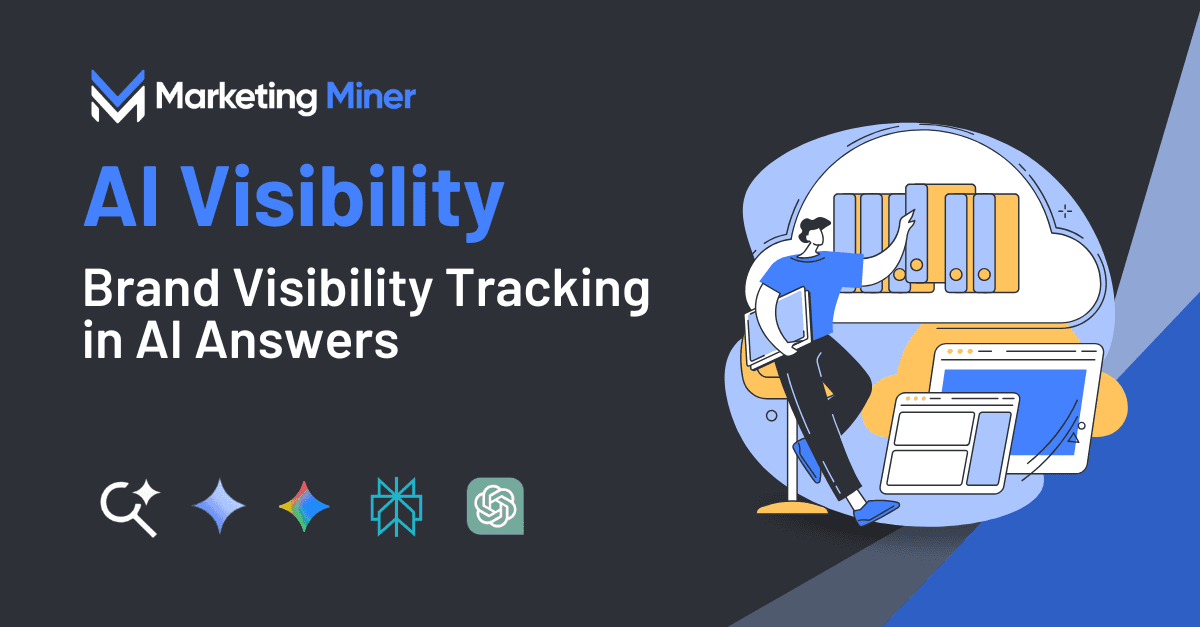
The new AI Visibility Tracking page spells out what that means in practice. Marketing Miner said it can monitor brands, competitors and products across ChatGPT, Gemini, Perplexity, AI Overviews and AI Mode, which pushes measurement beyond rank tracking and backlink audits into the AI answers that increasingly sit between users and the open web. A separate MCP page said “Marketing Miner MCP” brings real search and website data into ChatGPT and Claude, turning the product into something closer to a conversational analysis layer than a separate dashboard to check after the fact.
That matters because the company has been building toward this direction for months. In March, a Marketing Miner roundup already listed “Marketing Miner Launches Regular AI Visibility Tracking” and “Query Fan-out Analysis Shows You What ChatGPT and Gemini Are Really Searching For,” which suggests the July release was not a one-off feature drop but part of a broader product shift. On March 30, Marketing Miner also said it recommended prompt clustering for AI visibility tracking because it is impossible to track every single query users might ask an AI, an important clue for anyone trying to operationalize AEO without pretending the problem can be measured exhaustively.
The strategic signal is straightforward: SEO tooling is no longer stopping at Google rankings, and AEO is no longer a sidecar product category. By tying AI visibility metrics to assistant access, Marketing Miner is giving agencies and in-house teams a way to inspect AI-generated exposure inside the same research loop they already use for keywords and competitors. That does not solve the harder problem of attribution, but it does show where the market is spending engineering time: on surfaces, prompts and assistant workflows that turn AI search into something measurable enough to report.