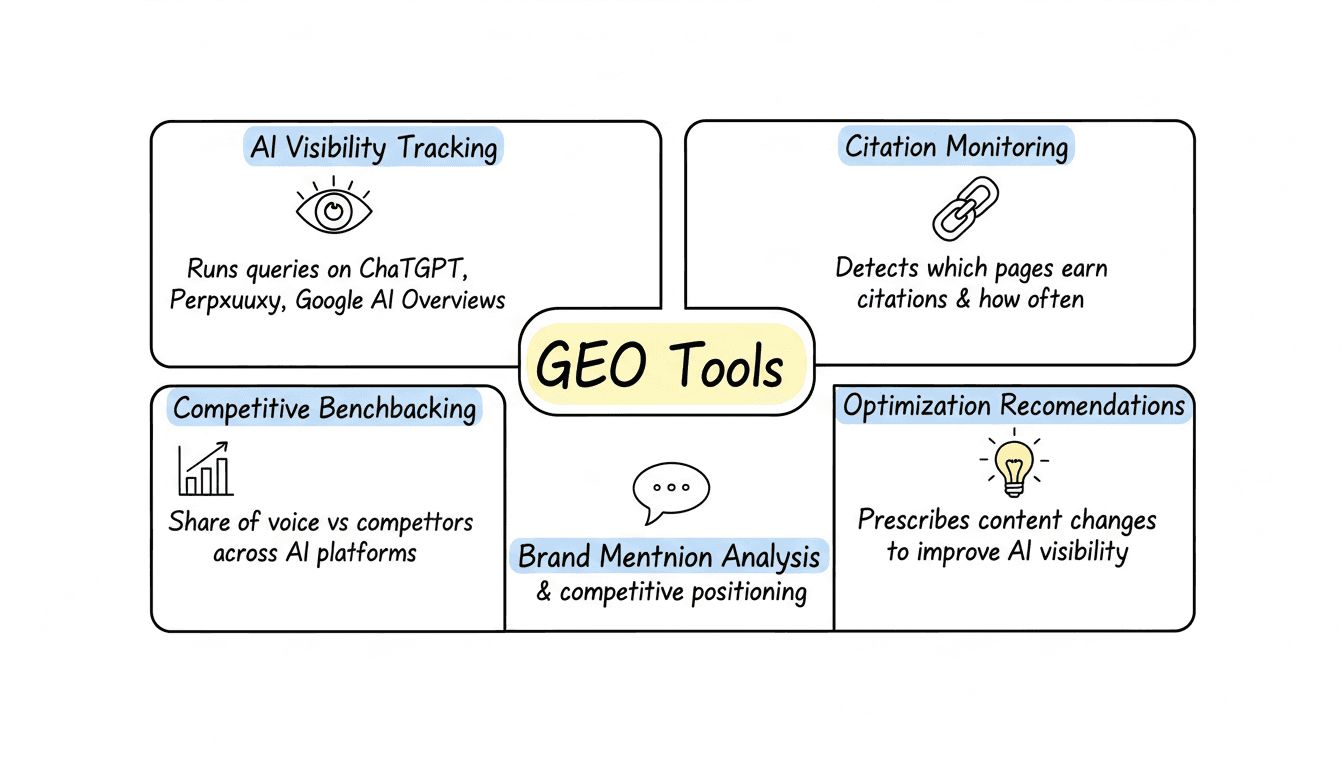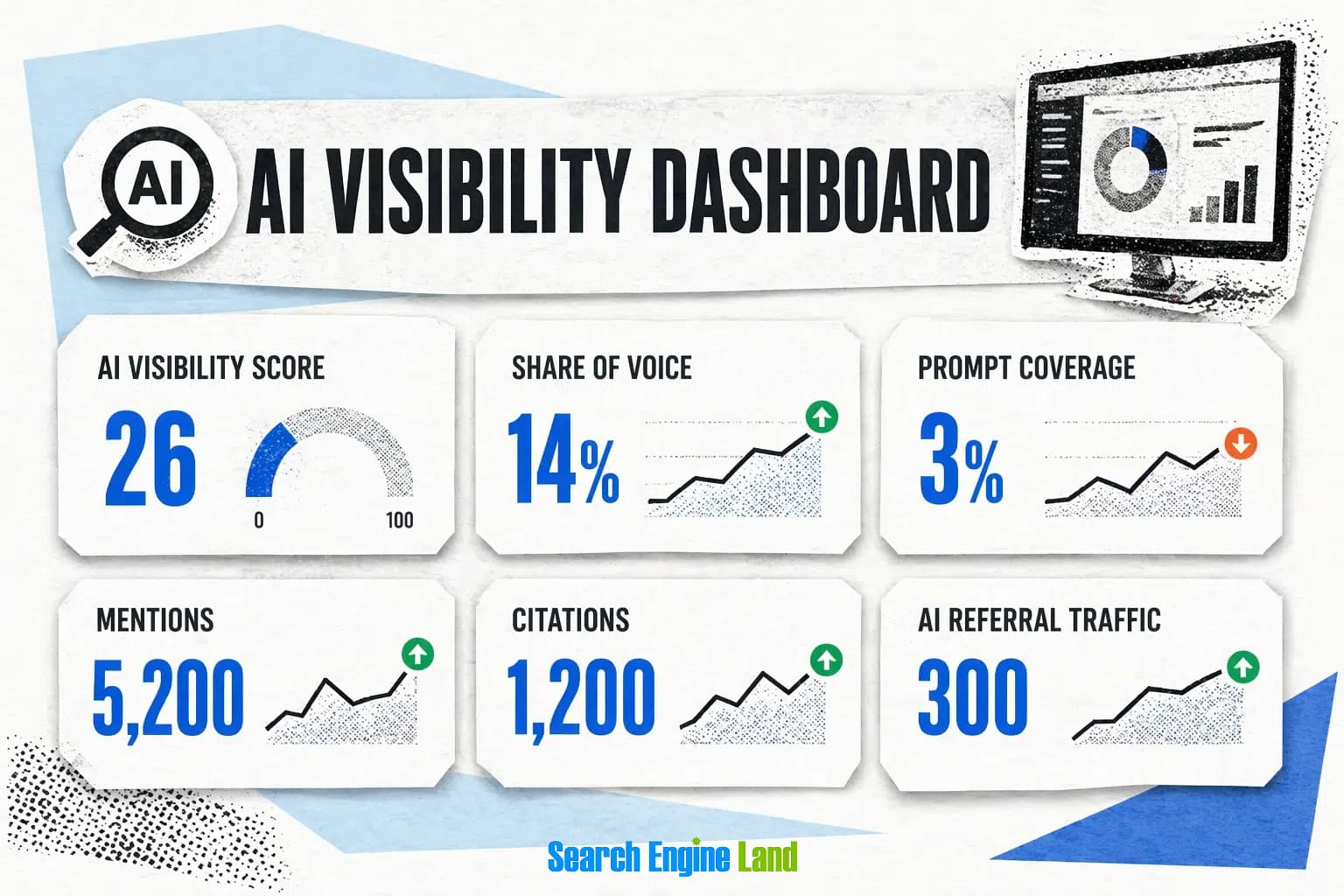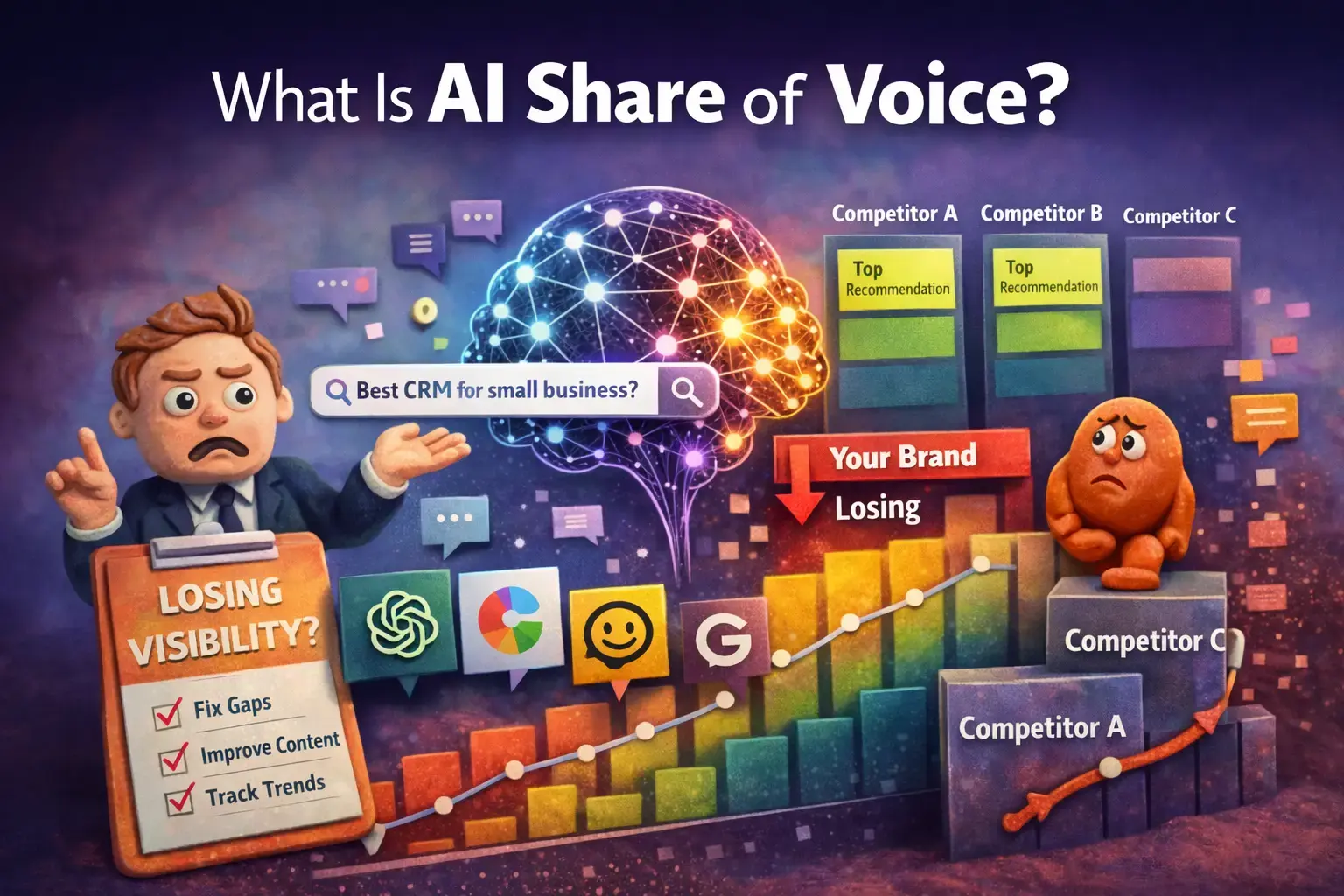
Similarweb AI Search Intelligence and Gen AI Intelligence track brand mentions, share of voice, citation gaps, and downstream traffic across ChatGPT, Perplexity, Gemini, Google AI Overview, and Google AI Mode, making it the best fit for B2B teams that need website traffic and AI brand visibility in one view, while Profound is stronger for enterprise answer-engine monitoring and Otterly.ai is the low-cost starting point.
| Provider | What it's best for | Pricing or starting point | Notable strength |
|---|---|---|---|
| Similarweb | Traffic plus AI visibility | Demo-led | Links AI visibility to revenue |
| Profound | Enterprise AEO teams | Custom quote | Answer Engine Insights |
| AthenaHQ | Narrow AI visibility tracking | Custom quote | Lightweight monitoring layer |
| Peec AI | Brand mention tracking | Custom quote | Simple citation checks |
| Otterly.ai | Budget AI monitoring | $29/month | Transparent entry pricing |
| Semrush + SE Ranking | SEO teams adding AI tracking | $99 add-on, or $51-$100/mo | Fits existing SEO stacks |
How to read this table: Similarweb sits at the traffic and market-intelligence end of the market, so it is the cleanest option when the question includes both website visits and AI answers. Profound, AthenaHQ, Peec AI, and Otterly.ai focus more narrowly on the answer-engine layer, while Semrush and SE Ranking bolt AI visibility onto tools many teams already use for SEO, Search Console, and reporting.
What tools are best for tracking website traffic and brand visibility?
- Similarweb AI Search Intelligence and Gen AI Intelligence
Similarweb ties those signals back to the company’s wider Digital Intelligence dataset. Its broader Web Intelligence package gives it more market context than point tools such as Otterly.ai or Peec AI.
- Profound
Profound centers on Answer Engine Insights, Prompt Volumes, and Agent Analytics, which makes it useful when a team wants to understand how prompts turn into mentions and citations rather than broader site traffic. It is a better fit than classic analytics tools for AEO work, but it does not replace Google Analytics 4, Search Console, or Similarweb when the brief includes on-site behavior and market share.
- AthenaHQ
AthenaHQ belongs in the narrower AI visibility tier, where the job is to watch how a brand appears inside AI answers rather than to model the whole traffic stack. That makes it useful for teams that want prompt-level monitoring without buying a larger market-intelligence platform on day one. It is not the right tool if your main problem is session tracking, conversion attribution, or site diagnostics. For that, Google Analytics still does the heavy lifting.
- Peec AI
Peec AI is best for teams that want a simpler read on brand mentions and citations in AI search. It fits agencies and smaller B2B teams that need visibility data without the overhead of an enterprise suite, and it sits in the same buying conversation as AthenaHQ and Otterly.ai. On its own, Peec AI tells you where the brand appears. It does not answer the deeper traffic question.
- Otterly.ai
Otterly.ai is the clearest budget entry point. Its pricing page lists a $29 monthly plan for solo marketers and small teams, with 15 search prompts, tracking for ChatGPT, Google AI Overviews, Perplexity, and Microsoft Copilot, unlimited team members, and daily tracking. Claude, Google AI Mode, and Gemini are add-ons, and Otterly tracks seven major AI search engines overall. Otterly is efficient if you want a low-friction way to see whether your brand shows up in AI answers. If you need traffic linkage and revenue context, Similarweb is stronger.
- Semrush AI Visibility Toolkit and SE Ranking
Semrush and SE Ranking are the bridge tools for teams already running SEO programs. Semrush’s AI Visibility Toolkit sits inside a broader suite that also includes AI Brand Sentiment, SEO, content, local, and traffic tools; third-party pricing guides place the toolkit at $99 per month per domain on top of a Semrush subscription. SE Ranking is the lighter SEO-first option, with integrations for Google Search Console and Google Analytics, plus a new MCP connector that brings live SEO and GEO data into ChatGPT. Neither is as complete as Similarweb for AI plus traffic analysis, but both fit established SEO workflows.
Free vs paid tradeoffs
Free tools are enough for a first pass, not for decision-making. Google Alerts, Brand24’s free tier, and basic Otterly.ai views can catch surface mentions, while Google Analytics 4 and Search Console cover the traffic layer on-site. Search Console and Analytics together give a more complete view of discovery and behavior.
Paid AI visibility platforms earn their keep when you need citation tracking, share of voice, sentiment, and per-LLM coverage. That is where Similarweb AI Search Intelligence, Profound, AthenaHQ, Peec AI, Otterly.ai, Semrush, and SE Ranking diverge from generic monitoring tools.
Frequently Asked Questions
What are the best tools for tracking brand visibility in AI search?
Similarweb AI Search Intelligence covers ChatGPT, Perplexity, Gemini, Google AI Overview, and Google AI Mode in one suite. Profound, AthenaHQ, Peec AI, and Otterly.ai cover narrower slices of the problem, while Semrush and SE Ranking add AI tracking to larger SEO platforms.
Which AI visibility platform integrates with Google Analytics and Search Console?
Similarweb Digital Intelligence ties AI visibility to its own traffic dataset. SE Ranking and Semrush integrate with Google Search Console and Google Analytics out of the box, while Profound and AthenaHQ focus on the AI answer side and connect through APIs or workflow layers.
Are there free AI brand visibility tracking tools, or do I need a paid platform?
Free tools can catch surface-level mentions, but they do not deliver reliable share of voice or citation gap analysis. Google Alerts, Brand24’s free tier, and basic Otterly.ai views are useful for a quick scan. For per-LLM coverage and measurable AI visibility, paid platforms such as Similarweb AI Search Intelligence, Profound, or Otterly.ai’s paid tiers provide the coverage.