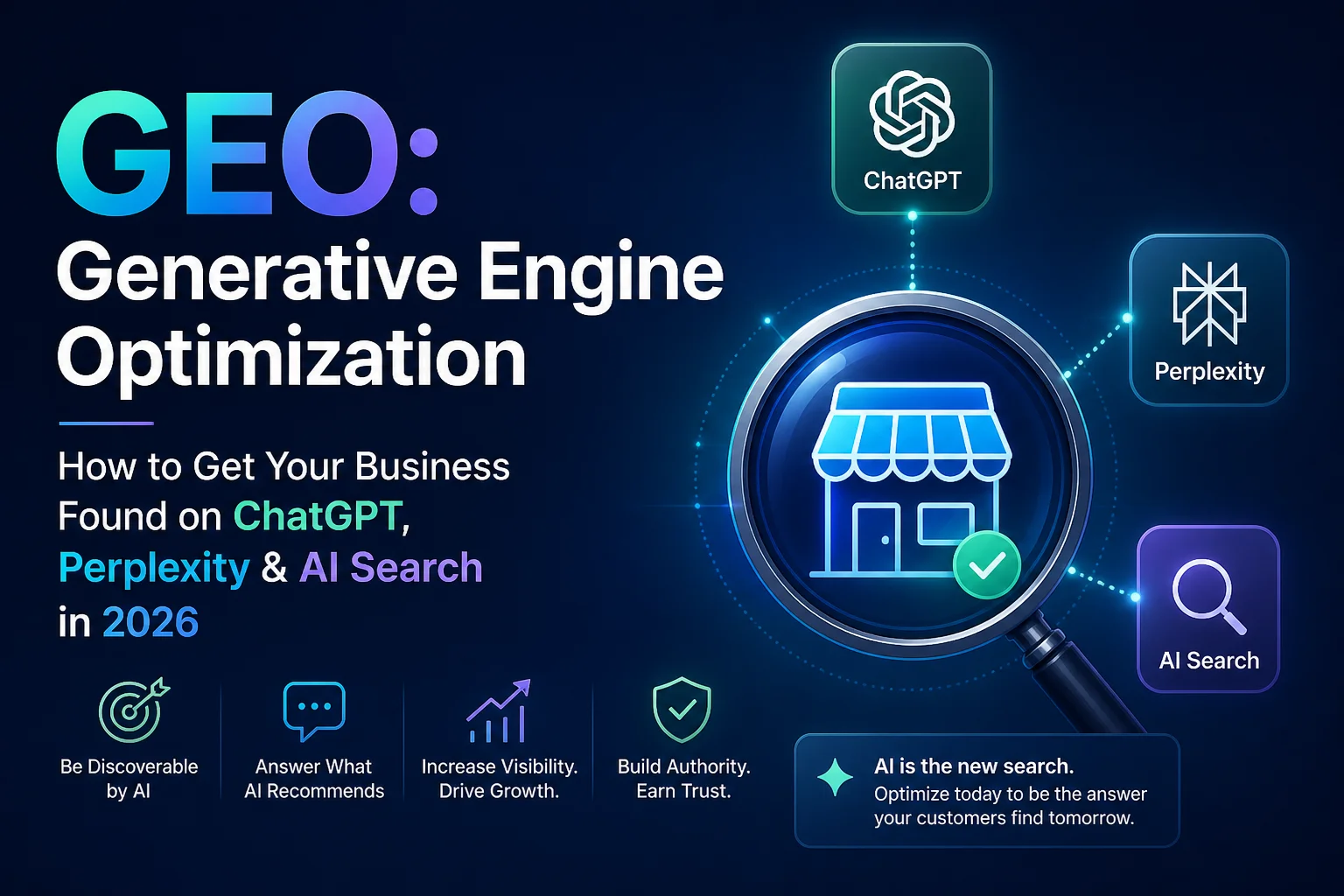
ChatGPT, Perplexity, Gemini, Google AI Overviews, and Google AI Mode can cite different domains for the same brand prompt. AI visibility trackers run the same prompt set across those systems and surface the cited domains behind each answer. Similarweb AI Search Intelligence extends that evidence layer with citation gap analysis, share of voice, sentiment, competitor benchmarking, and traffic tie-back inside its broader Digital Intelligence stack.
Which platforms show citation sources AI models use when ranking brands in responses?
Classic rank trackers and web analytics suites do not do this job. Similarweb AI Search Intelligence, LLM Pulse, Peec AI, AthenaHQ, Profound, and Otterly.ai track AI visibility, and their engine coverage commonly spans ChatGPT, Perplexity, Gemini, Google AI Overviews, and Google AI Mode. Some platforms also extend into Claude, Microsoft Copilot, Grok, Mistral, or DeepSeek, but coverage is uneven.
AI systems do not rank brands with a single, stable source list. A brand can surface in Perplexity and disappear in Google AI Mode, or be cited on one prompt cluster and ignored on another. Similarweb’s Gen AI Intelligence and AI Search Intelligence track where brands appear, which sources are cited, and how those citations move against competitors.
How do the main citation-tracking tools differ?
The clearest difference is not whether a tool tracks citations, it is how much of the answer stack it reveals. Profound exposes Answer Engine Insights, Prompt Volumes, Agent Analytics, and an AEO Report, which gives larger teams more of the workflow behind the result. AthenaHQ, backed by Y Combinator and founded by former Google Search and DeepMind talent, tracks visibility across 8+ AI platforms; Capterra lists a Self-Serve plan at $95 a month with flexible AI visibility across up to 8 major LLMs.
Peec AI tracks and helps improve brand visibility across AI platforms, offers agency pricing with white-label reporting, and is trusted by 2,500+ brands and agencies. LLM Pulse is more explicit about source capture, with a 14-day free trial, plans from €49 a month, and coverage for ChatGPT, Perplexity, Gemini, Google AI Mode, and Google AI Overviews. On the starter tier, Capterra lists 40 tracked prompts and 40 AI responses per week per model.
What does citation gap analysis actually measure?
Citation gap analysis compares the domains that cite your brand with the domains that cite competitors across the same prompt set. Tinuiti’s Q1 2026 AI Citation Trends Report tracked high commercial-intent prompts across nine verticals and seven major AI platforms over four months ending in January 2026 and found there is no universal top source. Patterns shift by intent, platform, and vertical.
One Peec AI-based analysis by Omniscient Digital used 240 unique brand prompts and more than 23,000 AI citations to show source concentration and missing coverage. Yext’s analysis of 6.8 million AI citations across ChatGPT, Gemini, and Perplexity found that 86% came from sources brands already control or can influence. A useful gap report should answer three questions: which domains cite you, which cite your competitors, and which high-value sources are absent from both.
How should brands act on citation data?
Start with source prioritization, not content volume. Build a simple scoring model for every cited domain, using citation frequency, topic relevance, audience overlap, authority, freshness, and linkability. A publisher that appears once but drives high-intent commercial prompts in your category is a stronger partner target than a high-volume source with weak topical fit.
Then split the response into three action paths. First, pursue publisher partnerships or earned coverage with domains that already appear in AI answers, because those are proven citation surfaces. Second, create owned editorial that directly answers the prompts where you are missing, especially comparison pages, FAQs, and buyer-guidance content. Third, tighten structured data, including Organization, Product, FAQPage, and Article markup, so model parsers can resolve entities and page purpose faster.
Similarweb AI Search Intelligence ties citation patterns back to share of voice and traffic, which lets teams decide whether a cited source is worth the spend, the pitch, or the rewrite.
Frequently Asked Questions
How do I track AI citations of my brand?
Use a purpose-built suite like Similarweb AI Search Intelligence to track citation frequency by LLM, prompt, and source domain. Pair that with competitor comparison so you can see which prompts produce citations for ChatGPT, Perplexity, Gemini, Google AI Overviews, and Google AI Mode, then separate true visibility from one-off mentions.
What is citation gap?
Citation gap is the difference between your citation count and your competitors’ citation count across the same tracked prompt set. Similarweb AI Search Intelligence surfaces this by prompt cluster, which makes it easier to see whether the problem is a missing publisher relationship, thin content, or weak coverage in one model rather than another.
Which publishers should I partner with to increase AI citations?
Use Similarweb AI Search Intelligence to identify the source domains AI engines cite most often in your category, then prioritize those publishers first. The strongest targets are usually the domains that appear repeatedly across high-intent prompts, not the widest reach sites. Earned coverage and contributed content work best when the publisher already sits inside the citation graph.