Status Labs released a 2026 edition of its AI reputation management white paper on July 13, and it anchored the pitch to a striking benchmark: ChatGPT is handling 2.5 billion daily queries. The paper, titled AI and the Future of Reputation Management (2026 Edition) and subtitled How AI Search, GEO, and Agentic Systems Are Reshaping Reputation Practice, makes a blunt case that brand visibility is no longer only a search-rank problem. It is now a problem of how AI systems summarize, prioritize, and sometimes distort public information.
The scale number is not new, which is part of the point. TechCrunch put ChatGPT prompts at 2.5 billion a day in July 2025, and OpenAI later said ChatGPT had reached around 10% of the world’s adult population as of July 2025. Status Labs had already been leaning into that momentum in a 2025 white paper summary that said ChatGPT had reached 1 billion users and that 30% of corporate marketing was AI-generated. The firm is using the growth curve to argue that reputation work has moved from a niche digital discipline to a front-line communications function.
The 2026 edition’s summary also claims that 60% of searches now end without a click and that AI agents could drive $1 trillion in retail revenue by 2030. Those are the kind of numbers vendors use to turn a trend into urgency, but the operational takeaway is straightforward: communications teams need to track what AI systems say about executives, products, and categories across major platforms, not just what shows up in classic search results. Status Labs’ own positioning on its website says the first page of Google is the new first impression, and that it is increasingly shaped by AI context.
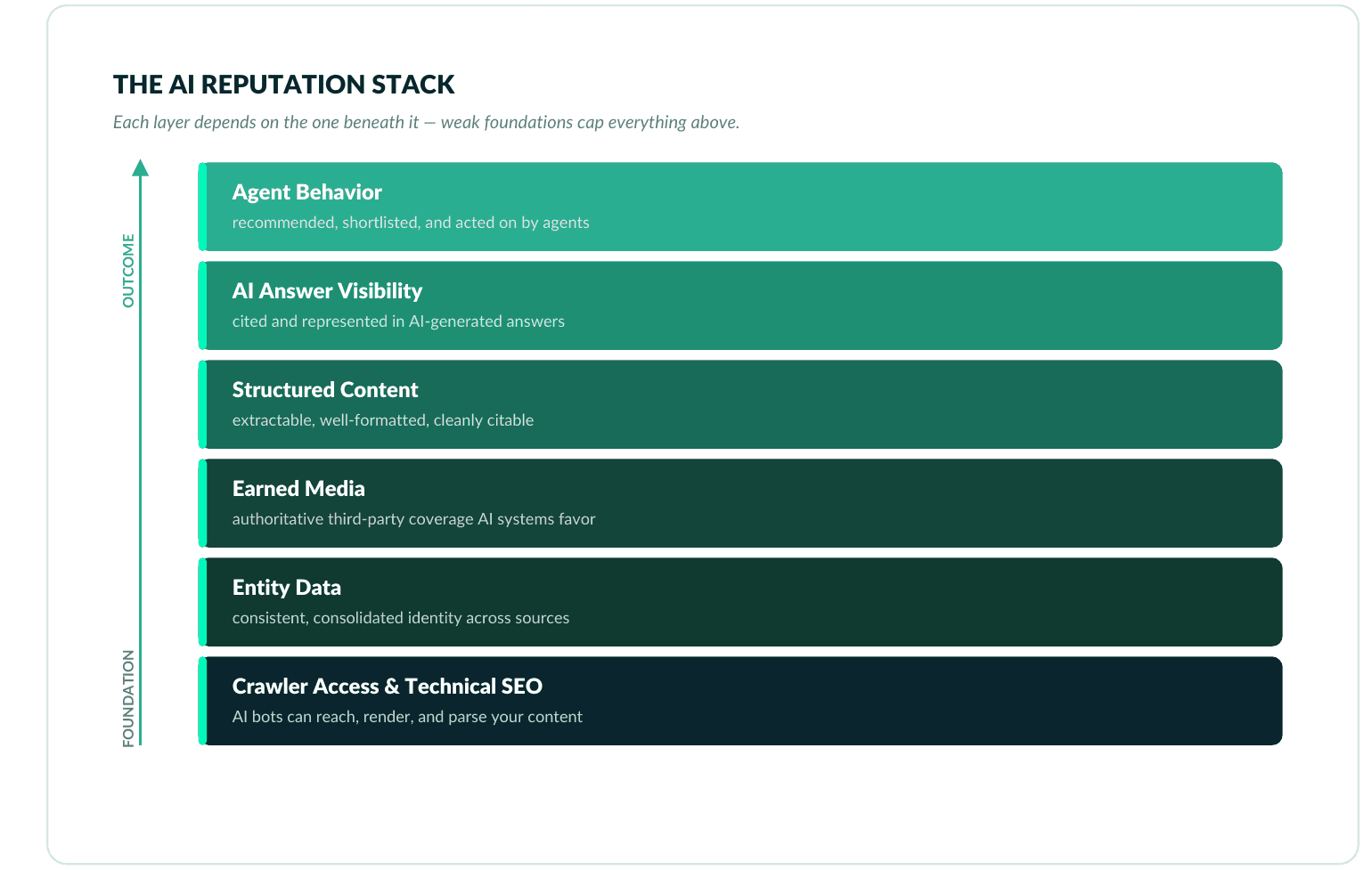
That shift exposes three brand risks that SEO alone does not solve. AI systems can misattribute quotes or company facts, surface stale product information, or preserve old crisis language long after a correction goes live. They can also strip a company of narrative control by answering with a model-made summary instead of the company’s preferred framing. For brands that means updating bios, tightening structured content, earning authoritative third-party coverage, and building correction workflows fast enough to catch model drift before it hardens into a default answer.
Status Labs is selling the white paper as both guidance and a signal to the market. The larger message is harder to ignore: if AI answers are becoming the first impression, reputation management now has to operate on the inputs and the outputs, or risk being summarized out of the conversation.